
1. Introducción
The Mulcort ANENG GN805 is a portable combustible gas leak detector designed to quickly and reliably identify the presence of various flammable gases. This device utilizes a gas-sensitive semiconductor sensor to provide visual and audible alarms, helping to ensure safety in residential, commercial, and industrial environments. Its compact, pen-type design makes it convenient for carrying and use in diverse settings.

Figure 1: ANENG GN805 Combustible Gas Leak Detector, showcasing its pen-type design and LCD screen.
2. Información de seguridad
Advertencia:
- This instrument is not a safety device. It is only suitable for use as a monitoring instrument.
- The instrument must only be used for the purposes specified in this manual and within the technical parameters.
- In case of damage, malfunction, or incorrect display, have the instrument inspected. Do not use faulty equipment.
- Do not use on or come into contact with live electrical equipment.
- No utilice el instrumento en un entorno con una humedad relativa superior al 80% (condensación).
- Store the instrument at the specified storage temperature and humidity range.
- Do not use in confined spaces where space gases may accumulate into explosive mixtures.
- Do not exceed the flammable gas concentration in the space or exceed the explosion limit.
- Antes de detectar gases desconocidos, utilice gases conocidos para probar el instrumento y asegurarse de que funciona correctamente.
- Avoid using the detector in polluted gas or making excessive efforts to detect, as this may cause detection errors.
- Prevent the sensor from coming into contact with moisture or acidic gas, as this may damage it.
3. Producto terminadoview
3.1 Características principales
- Detección de gas amplia: Suitable for acetone, acetylene, alcohol, ammonia, benzene, ethanol, epoxy acetylene, gasoline, hexane, hydrogen, methane, liquefied petroleum gas (LPG), natural gas, paint thinner, propane, and various solvents.
- Visual & Audio Alarm: Features a red LED light and buzzer. The alarm intensity increases with higher combustible gas concentrations.
- Sensibilidad ajustable: Allows users to switch between high and low sensitivity modes to adapt to different environments.
- Gran pantalla LCD: Backlit screen shows combustible gas concentration, temperature (°C/°F), and a low power prompt.
- Apagado automático: Powers off automatically after 4 minutes of no operation or gas detection to conserve battery life.
- Compacto y portátil: Pen-type design for easy carrying in a pocket or toolbox.
3.2 Componentes

Figure 2: Comprehensive diagram of the ANENG GN805, labeling key components and dimensions.
- Gas Sensor Sensing Place
- Indicador LED
- Pantalla de visualización
- High and Low Sensitivity Selection Key (S button)
- Fahrenheit/Celsius / Backlight Keys (SEL button)
- Botón de interruptor de encendido
4. Configuración
4.1 Instalación de la batería
The ANENG GN805 requires two 1.5V AAA batteries (not included). Follow these steps for proper installation:

Figure 3: Step-by-step guide for installing two AAA batteries into the ANENG GN805.
- Abra la tapa de la batería: Use a screwdriver to unscrew the battery cover located on the back of the device.
- Cargar baterías: Insert two 1.5V AAA batteries, ensuring correct polarity. The springs at both ends are designed to protect the battery.
- Cierre la tapa de la batería: Vuelva a colocar la tapa de la batería y asegúrela con el tornillo.
A low power prompt will appear on the LCD display when the batteries need replacement.
5. Instrucciones de funcionamiento
5.1 Encendido y apagado
- Para encender: Press the red power switch button (labeled with a power symbol) briefly. The device will begin a 30-second warm-up period.
- Para apagar: Press and hold the red power switch button for approximately 2 seconds until the screen turns off. The device will also automatically shut down after 4 minutes of no operation or gas detection.
5.2 Warm-up and Readiness
After powering on, the detector requires a 30-second warm-up time. During this period, the device prepares its sensor for accurate detection. Wait for the warm-up to complete before beginning gas detection.
5.3 Ajuste de sensibilidad
The ANENG GN805 features adjustable sensitivity to suit different detection needs.

Figure 4: The 'S' button allows switching between high and low sensitivity modes.
- Press the 'S' key (Sensitivity Selection Key) to toggle between high and low sensitivity modes.
- Usar Alta sensibilidad for detecting very small leaks or for general scanning.
- Usar Baja sensibilidad for pinpointing larger leaks or in environments where background gas levels might cause nuisance alarms on high sensitivity.
5.4 Gas Detection Process
Para detectar fugas de gas:
- Ensure the device has completed its warm-up period.
- Move the sensor tip slowly towards the suspected leak area.
- Observe the LCD display for gas concentration readings and listen for audible alarms.
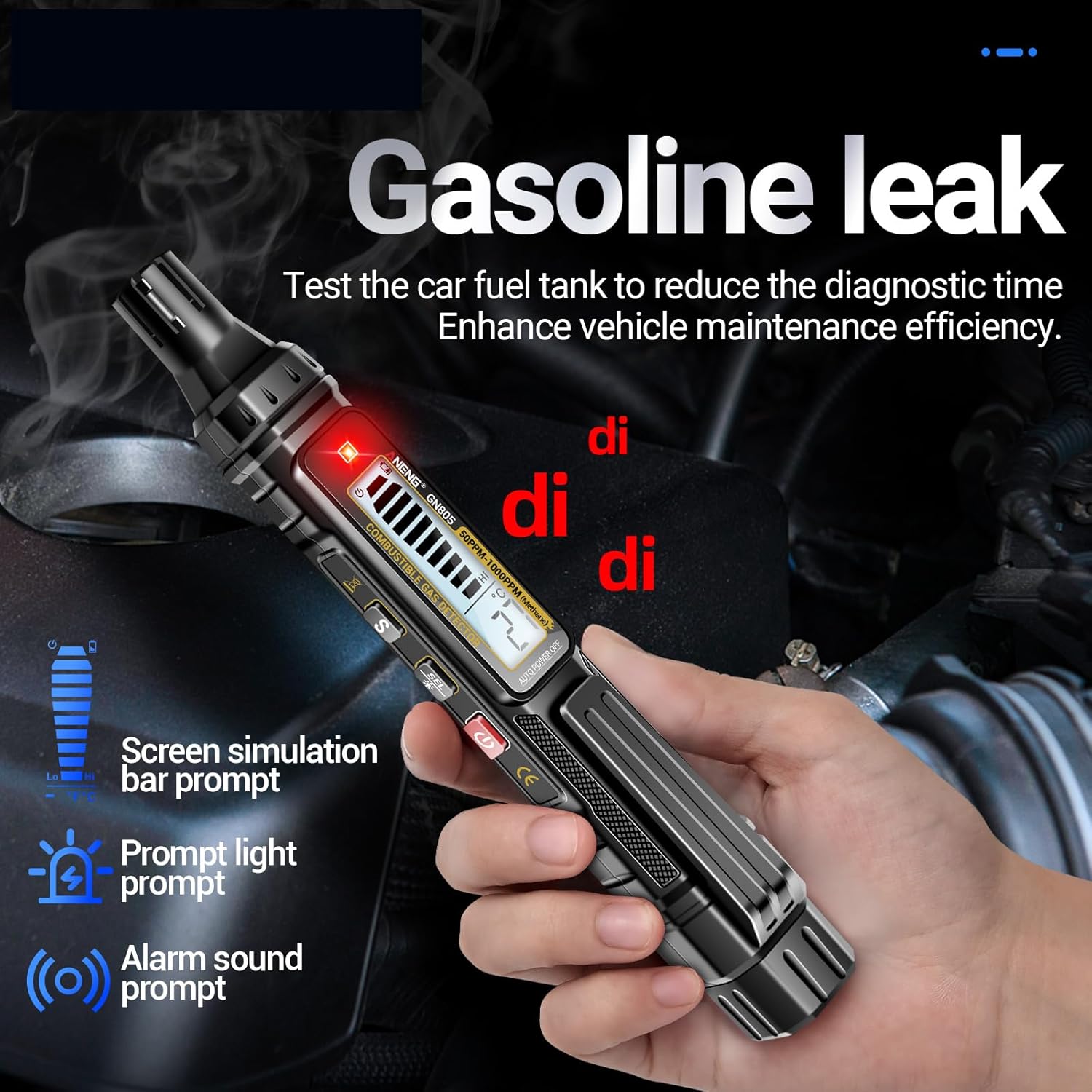
Figure 5: The ANENG GN805 detecting a gasoline leak, showing visual and audible alarm indicators.
5.5 Métodos de alarma
The detector uses both visual and audible alarms:
- Alarma visual: A red LED light will flash. The flashing rate increases with higher gas concentrations. The LCD display will also show a bar prompt indicating concentration levels.
- Alarma audible: A buzzer will sound. The urgency and frequency of the beeping increase as the detected combustible gas concentration rises.
5.6 Gases detectables
The ANENG GN805 is capable of detecting a wide range of combustible gases, including but not limited to:
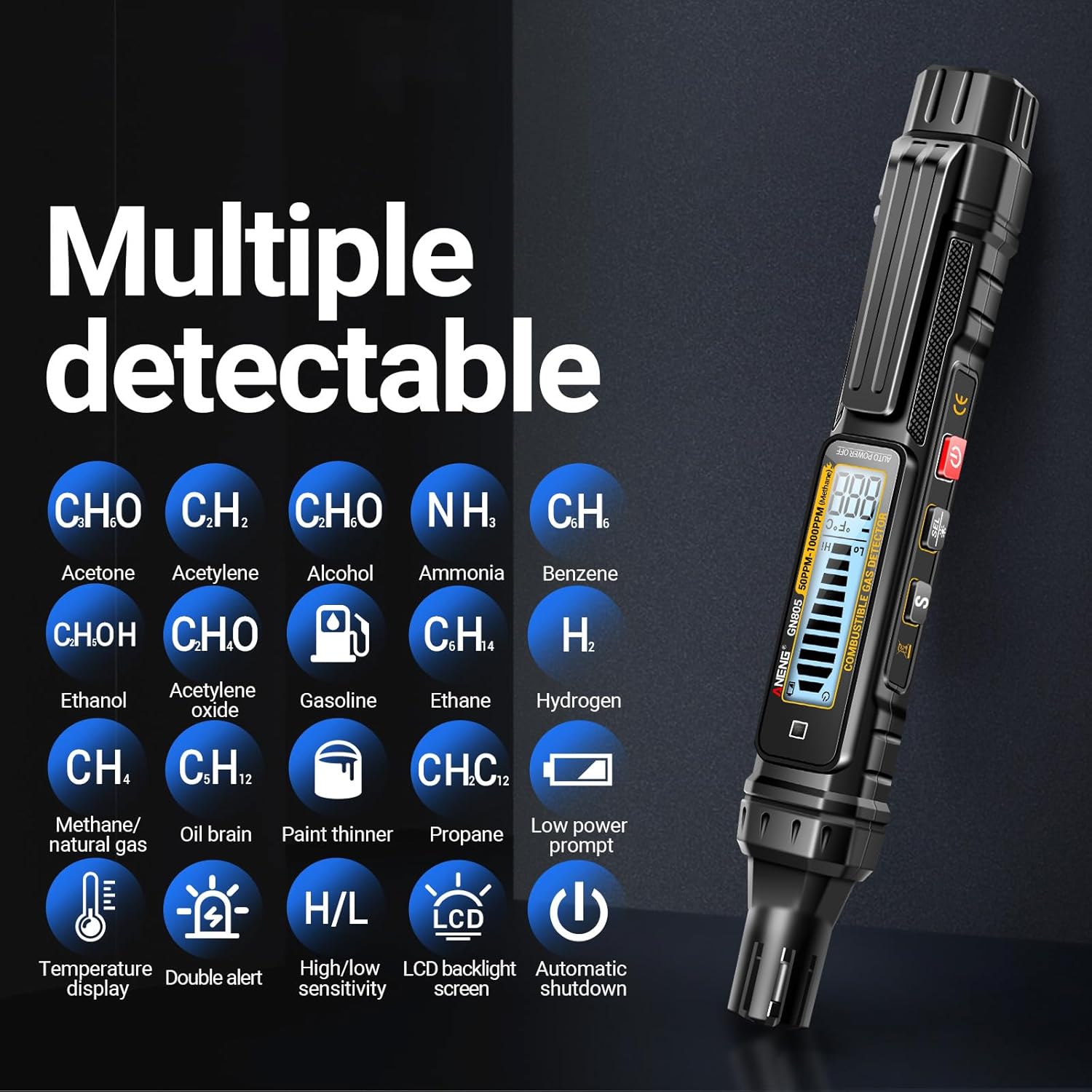
Figure 6: Infographic displaying various combustible gases detectable by the ANENG GN805.
- Acetona
- Acetileno
- Alcohol (etanol)
- Amoníaco
- Benceno
- Epoxy Acetylene
- Gasolina
- hexano
- Hidrógeno
- Metano (Gas Natural)
- GLP (gas licuado de petróleo)
- Diluyente de pintura
- Propano
- Disolventes
6. Mantenimiento
- Limpieza: Limpie el dispositivo con un paño suave y seco. No utilice limpiadores abrasivos ni disolventes.
- Reemplazo de batería: Replace batteries promptly when the low power indicator appears to ensure accurate operation.
- Almacenamiento: Store the detector in a cool, dry place, away from direct sunlight and extreme temperatures, within the specified storage conditions.
- Cuidado del sensor: Avoid exposing the sensor to moisture, acidic gases, or heavy dust, as this can impair its function or cause damage.
7. Solución de problemas
- El dispositivo no se enciende: Verifique la instalación de la batería y asegúrese de que las baterías estén nuevas.
- Lecturas inexactas/falsas alarmas: Ensure the sensor is clean. Try adjusting the sensitivity setting. Avoid using in highly polluted environments or near strong odors that are not combustible gases.
- No Alarm for Suspected Leak: Ensure the device has completed its warm-up. Check sensitivity setting (try high sensitivity). Ensure the sensor tip is close to the leak source.
- La pantalla no se muestra: Check battery level. If the issue persists after battery replacement, the device may require inspection.
If problems persist, refer to the warranty and support information or contact customer service.
8. Especificaciones
| Especificación | Detalle |
|---|---|
| Modelo | GN805 |
| Material | abdominales |
| Tipo de sensor | Semiconductor sensible al gas |
| Rango de respuesta | 50~1000ppm (methane) |
| Sensibilidad | Approx. <50ppm |
| Sensibilidad ajustable | S key toggle |
| Tiempo de calentamiento | 30 segundos |
| Tiempo de respuesta | ≤500ppm: about 5 seconds; > 500ppm: about 2 seconds |
| Método de alarma | Sound and indicator light |
| Utilizar el entorno | 0℃~50℃ / 20%~80%RH |
| Condiciones de almacenamiento | -10℃~60℃ / 20%~80%RH |
| Batería | 2 pilas AAA de 1.5 V (no incluidas) |
| Apagado automático | Sin operación en 4 minutos |
| Tamaño del artículo | 180.8 * 26.1 * 29.2 mm / 7.12 * 1.02 * 1.15 pulgadas |
| Peso del artículo | 57.7 g/2.03 oz |
| Fabricante | Mulcort |
| Número de pieza | E26263 |
9. Garantía y soporte
Specific warranty information for the Mulcort ANENG GN805 Combustible Gas Leak Detector is not provided in this manual. Please refer to the product packaging or contact your retailer for details regarding warranty coverage and customer support.
