1. Introducción
Thank you for choosing the Audibax Missouri 2000 A Dual VHF Wireless Microphone System. This professional wireless microphone system is designed to deliver clear, interference-free audio for various applications. This manual provides essential information for the safe and efficient use of your new system. Please read it thoroughly before operation and retain it for future reference.
2. Información de seguridad
- Fuente de energía: Ensure the receiver is connected to a 230V power supply. Use only the provided power adapter.
- Uso de la batería: Microphones operate on AA batteries. Replace batteries when the low battery indicator appears to ensure optimal performance. Do not mix old and new batteries, or different types of batteries.
- Ambiente: Avoid exposing the system to water, moisture, extreme temperatures, or direct sunlight. Operate in a well-ventilated area.
- Manejo: Handle microphones and receiver with care. Avoid dropping or subjecting them to strong impacts.
- Servicio: No intente abrir ni reparar la unidad usted mismo. Encargue cualquier servicio técnico a personal cualificado.
3. Contenido del paquete
Compruebe que todos los artículos enumerados a continuación estén incluidos en su paquete:
- 1x Audibax Missouri 2000 A Receiver Unit
- 2x Audibax Missouri 2000 A Handheld Wireless Microphones
- 1x Power Adapter for Receiver
- 1x Manual de usuario
- (AA Batteries for microphones are not included and must be purchased separately)
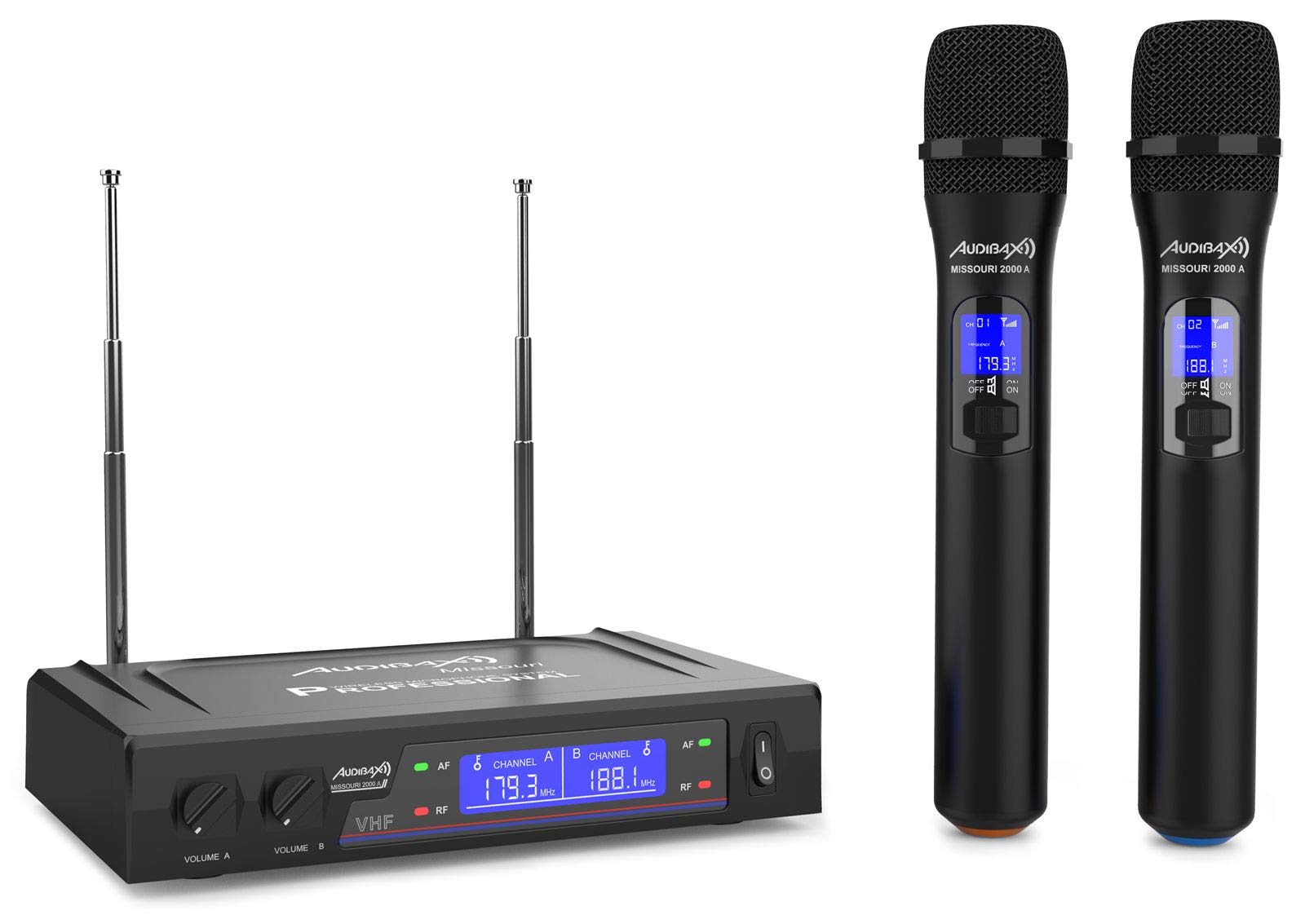
Figure 3.1: Complete Audibax Missouri 2000 A system including receiver and two microphones.
4. Producto terminadoview
The Audibax Missouri 2000 A is a dual VHF wireless microphone system designed for professional audio applications. It features two high-quality handheld wireless microphones and a receiver unit with independent volume controls and RF/AF indicators.
Características principales:
- Dual VHF wireless system with 2 handheld microphones.
- Receiver with Diversity antennas for improved signal reception and up to 80 meters coverage.
- Clean sound with a signal-to-noise ratio of 105 dB, minimizing interference.
- Control de volumen independiente para cada micrófono del receptor.
- RF/AF indicators on the receiver display for monitoring signal status.
- Microphone power via AA batteries, offering extended autonomy.
- Dynamic cardioid microphone capsule for focused sound capture and attenuation of off-axis sounds.
- Output connectors: XLR balanced and auxiliary (MIX) output.

Figure 4.1: Front panel of the receiver unit.

Figure 4.2: Two handheld wireless microphones.
5. Configuración
5.1 Configuración del receptor
- Colocación: Position the receiver unit on a stable, flat surface, away from potential sources of interference (e.g., computers, Wi-Fi routers). Ensure adequate ventilation.
- Conexión de antena: Screw the two included antennas firmly into the ANT A and ANT B connectors on the rear of the receiver. Adjust them vertically for optimal signal reception.
- Conexión de energía: Connect the provided power adapter to the DC IN port on the rear of the receiver and then plug it into a 230V AC power outlet.
- Salida de audio:
- For a mixed output of both microphones, connect an audio cable (e.g., 6.35mm jack) from the "OUT MIX" port on the receiver to the input of your mixer, amplificador, o sistema de sonido.
- For individual balanced outputs, use XLR cables to connect the "BALANCED" XLR output ports (if available on your specific model) to your audio system.
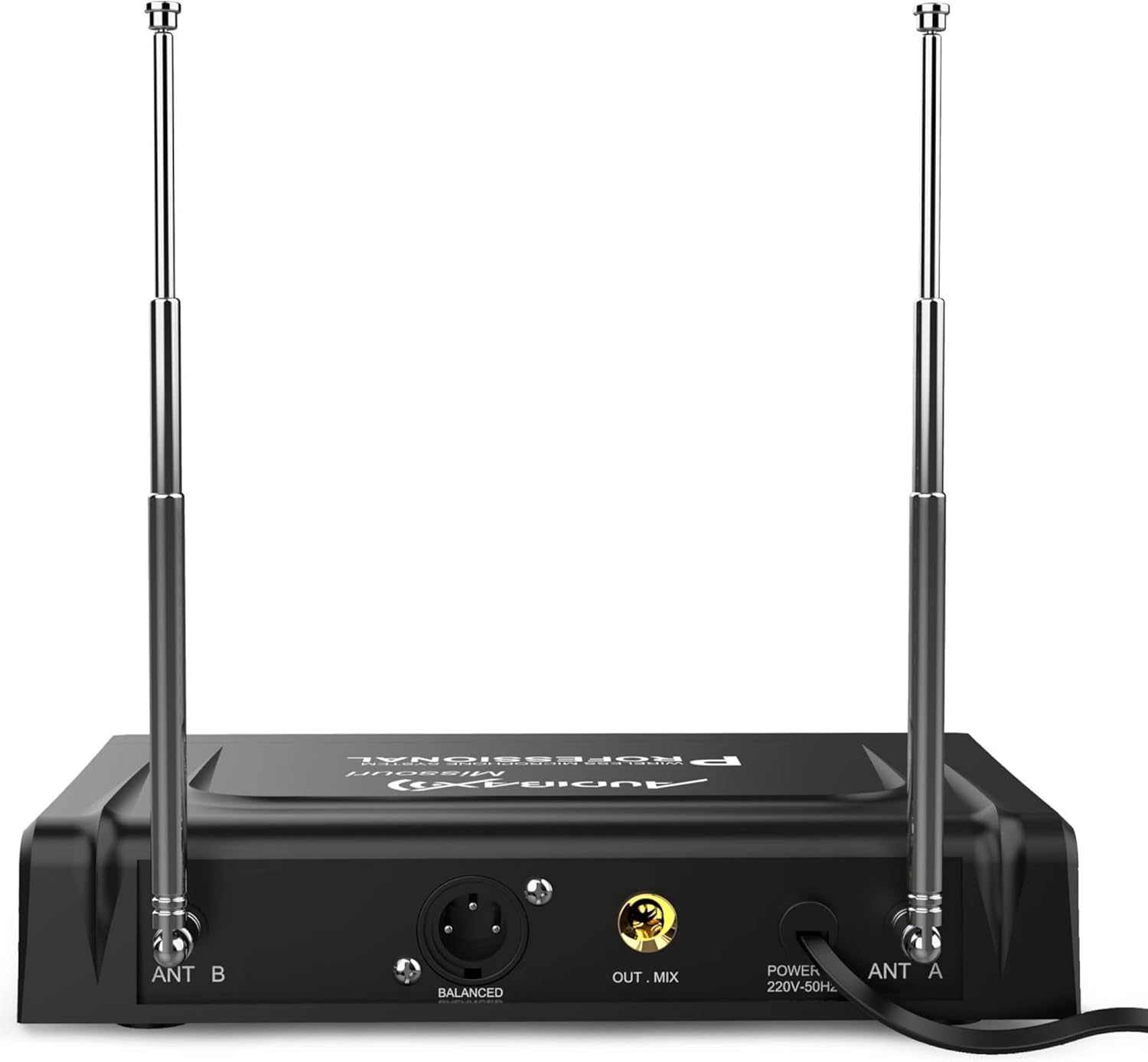
Figura 5.1: Conexiones del panel trasero de la unidad receptora.
5.2 Configuración del micrófono
- Instalación de la batería: Unscrew the bottom part of each microphone to access the battery compartment. Insert two AA batteries, ensuring correct polarity (+/-). Screw the bottom part back on securely.
- Encendido: Slide the ON/OFF switch on each microphone to the "ON" position. The microphone display should illuminate, showing the channel and frequency.
- Función de silencio: Each microphone has a MUTE switch. Use this to temporarily silence the microphone without turning it off completely.
6. Instrucciones de funcionamiento
6.1 Encendido del sistema
- Ensure all connections (power, audio output) are secure on the receiver.
- Turn on your mixer or amplifier first, with its volume set to minimum.
- Press the power button on the receiver unit. The display will light up.
- Turn on each microphone by sliding its ON/OFF switch to "ON".
- Observe the receiver's display. The "RF" (Radio Frequency) indicator for each channel should light up, indicating a successful connection between the microphone and receiver. The "AF" (Audio Frequency) indicator will light up when sound is detected by the microphone.

Figure 6.1: Receiver display with RF/AF indicators and frequency information.
6.2 Control de volumen
- The receiver has independent volume knobs for Microphone A (VOLUME A) and Microphone B (VOLUME B). Adjust these to set the desired output level for each microphone.
- Gradually increase the volume on your mixer or ampLifier al nivel de escucha deseado.
6.3 Frequency Information
The Audibax Missouri 2000 A operates on fixed VHF frequencies. For this specific model, the frequencies are 179.300 MHz and 188.100 MHz. These frequencies are displayed on both the receiver and microphone units.
7. Mantenimiento
7.1 Limpieza
- Always disconnect the receiver from the power outlet before cleaning.
- Use a soft, dry cloth to wipe the surfaces of the receiver and microphones.
- No utilice limpiadores líquidos, aerosoles o disolventes, ya que pueden dañar el acabado o los componentes internos.
7.2 Reemplazo de batería
- When the microphone's display indicates low battery, replace both AA batteries immediately to avoid interruption during use.
- Asegúrese de que la polaridad sea correcta al insertar baterías nuevas.
- Deseche las baterías usadas de manera responsable de acuerdo con las regulaciones locales.
7.3 Almacenamiento
- Cuando no se utilicen durante períodos prolongados, retire las baterías de los micrófonos para evitar fugas.
- Guarde el sistema en un lugar fresco y seco, alejado de la luz solar directa y de temperaturas extremas.
8. Solución de problemas
| Problema | Posible causa | Solución |
|---|---|---|
| No hay sonido de micrófonos |
|
|
| Sonido intermitente o cortes de señal |
|
|
| Mala calidad de sonido / Distorsión |
|
|
| RF indicator not lighting up |
|
|
9. Especificaciones
| Característica | Detalle |
|---|---|
| Marca | Audibax |
| Nombre del modelo | Missouri 2000 A |
| Número de modelo | 10107904 |
| Tecnología de conectividad | Wireless (VHF), XLR |
| Factor de forma del micrófono | Portátil |
| Patrón polar | Unidireccional (cardioide) |
| Respuesta de frecuencia | 40 Hz - 18 kHz |
| Relación señal a ruido | 105 dB |
| Sensibilidad de audio | 105 decibelios |
| Nivel de ruido | 103 decibelios |
| Frecuencias del receptor | 179.300 MHz / 188.100 MHz |
| Fuente de poder | Receiver: 230V AC; Microphones: AA Batteries (not included) |
| Número de canales | 2 |
| Rango de operación | Hasta 80 metros (línea de visión) |
| Dimensiones del producto (LxAnxAl) | 39 x 31 x 8 cm |
| Peso del artículo | 1.04 kilogramos |
| Usos recomendados | Videoconferencing, Karaoke |
| Componentes incluidos | Microphones, Receiver, User Manual |
10. Garantía y soporte
For warranty information and technical support, please refer to the documentation provided with your purchase or contact Audibax customer service directly. Keep your proof of purchase for any warranty claims.


