1. Introducción
The MIPRO ACT-311/ACT-32H Single-Channel Handheld Wireless System is engineered for professional audio applications, offering high-fidelity sound and dependable performance. This system features a premium condenser microphone capsule for clear, dynamic vocal reproduction. Its design prioritizes ease of use with MIPRO's patented ACT technology for rapid frequency synchronization and an Auto Scan function to identify interference-free channels. Advanced diversity technology further enhances reliability by minimizing signal dropouts. This manual provides essential information for the proper setup, operation, and maintenance of your wireless system.
2. Contenido del paquete
Please inspect the package contents carefully. If any items are missing or damaged, contact your dealer.
- Receptor monocanal ACT-311
- ACT-32H Handheld Wireless Microphone (Transmitter)
- Adaptador de corriente para receptor
- Cable de audio (XLR a conector telefónico de 1/4")
- AA Batteries (for Transmitter)
- Manual de usuario (este documento)
3. Producto terminadoview
The MIPRO ACT-311/ACT-32H system consists of a receiver unit and a handheld microphone transmitter.
3.1. ACT-311 Receiver
The ACT-311 receiver processes the wireless signal from the transmitter and outputs it as an audio signal. It features a clear LCD display, control buttons, and antenna inputs.
3.2. ACT-32H Handheld Transmitter
The ACT-32H is a robust handheld microphone with an integrated wireless transmitter. It includes a power switch, battery compartment, and an ACT sync port.
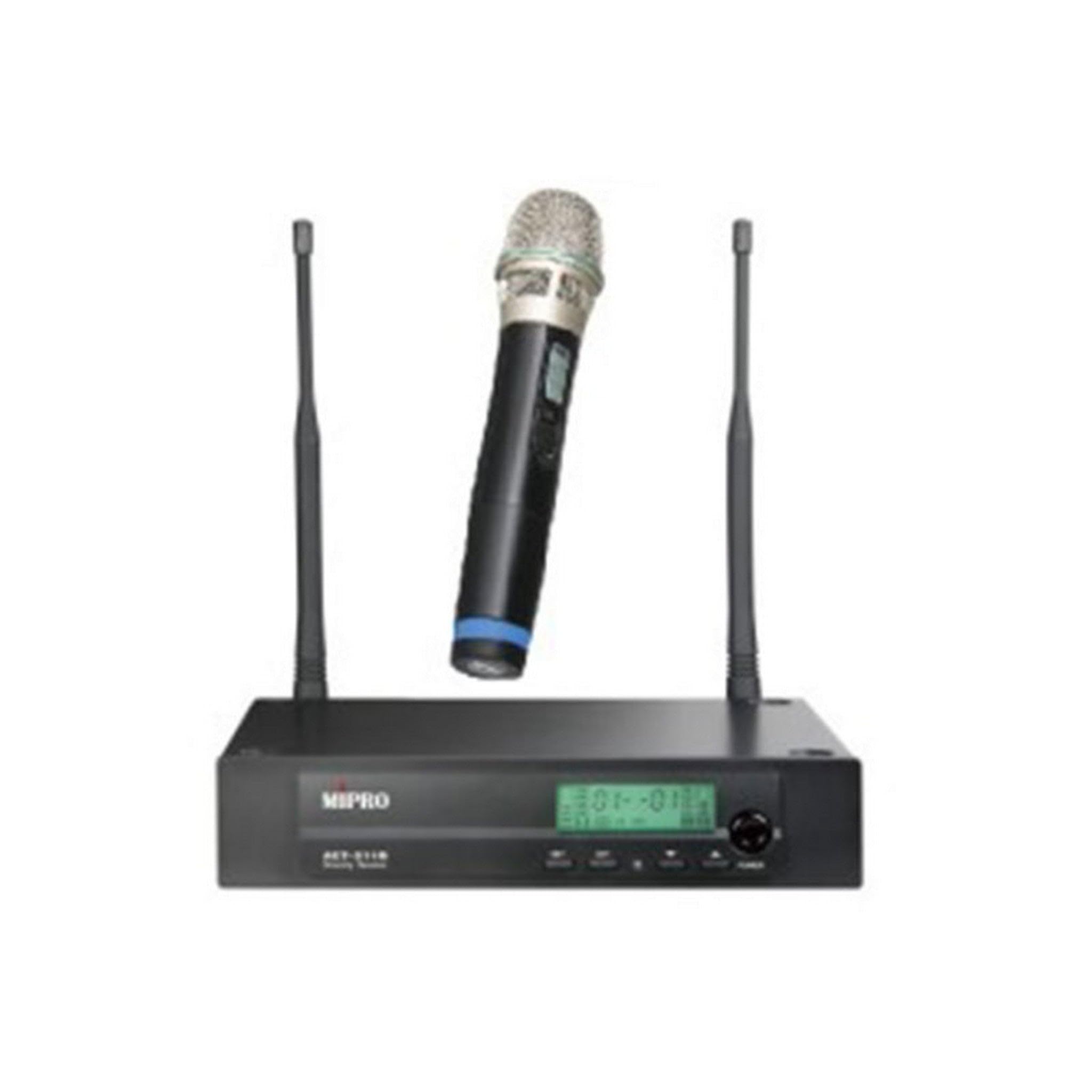
Figure 1: The MIPRO ACT-311/ACT-32H Single-Channel Handheld Wireless System, showing the receiver and handheld microphone.
4. Configuración
Follow these steps to set up your MIPRO wireless system.
4.1. Colocación del receptor
- Place the ACT-311 receiver in a location free from obstructions and away from potential sources of interference (e.g., computers, digital processors, other wireless devices).
- Ensure the receiver's antennas are fully extended and positioned vertically for optimal signal reception.
- Maintain a clear line of sight between the receiver and the area where the transmitter will be used.
4.2. Conexión de alimentación
- Connect the supplied power adapter to the DC input jack on the rear panel of the ACT-311 receiver.
- Plug the power adapter into an appropriate AC power outlet.
- Do not power on the receiver yet.
4.3. Conexión de salida de audio
Conecte la salida de audio del receptor a su mezclador, amplificador, o sistema de sonido.
- Salida balanceada (XLR): Use an XLR cable to connect the receiver's XLR output to a balanced input on your mixer.
- Unbalanced Output (1/4" Phone Jack): Use a 1/4" phone jack cable to connect the receiver's unbalanced output to an unbalanced input on your mixer or ampmás duradero.
4.4. Instalación de la batería del transmisor
- Unscrew the lower part of the ACT-32H handheld microphone to reveal the battery compartment.
- Inserte dos pilas AA nuevas, observando la polaridad correcta (+/-) como se indica dentro del compartimento.
- Securely screw the lower part back onto the microphone.
5. Instrucciones de funcionamiento
This section details how to operate your MIPRO wireless system.
5.1. Encendido / apagado
- Receiver (ACT-311): Press the power button on the front panel. The LCD display will illuminate.
- Transmitter (ACT-32H): Slide the power switch on the handheld microphone to the "ON" position. The power indicator will light up.
- Always power on the receiver before the transmitter, and power off the transmitter before the receiver.
5.2. Frequency Synchronization (ACT Function)
MIPRO's patented ACT (Automatic Channel Targeting) function allows for quick and precise frequency matching between the receiver and transmitter.
- Asegúrese de que tanto el receptor como el transmisor estén encendidos.
- On the ACT-311 receiver, press the ACTO button. The ACT indicator on the receiver will flash.
- Align the ACT sync port on the ACT-32H handheld microphone (usually near the base or battery compartment) with the ACT window on the receiver.
- Hold them together within a few centimeters until the receiver's ACT indicator stops flashing and the transmitter's frequency display matches the receiver's.
- The system is now synchronized and ready for use.
5.3. Channel Selection (Auto Scan)
Use the Auto Scan function to find the clearest available frequency channel.
- On the ACT-311 receiver, press the ESCANEAR botón.
- The receiver will automatically scan for an interference-free channel.
- Once a clear channel is found, the receiver will display it.
- Perform the ACT synchronization process (Section 5.2) to match the transmitter to this newly selected channel.
5.4. Ajuste del volumen
Adjust the audio output level of the receiver using the VOLUMEN control knob on the front panel of the ACT-311. Start with a low volume and gradually increase it to a suitable level on your mixer or ampmás duradero.
5.5. Uso del micrófono
- Hold the ACT-32H microphone approximately 2-6 inches (5-15 cm) from your mouth for optimal vocal pickup.
- Avoid covering the microphone grille with your hand, as this can affect sound quality and signal transmission.
- Be aware of the microphone's unidirectional polar pattern, which means it primarily picks up sound from the front, reducing background noise.
6. Mantenimiento
Proper maintenance ensures the longevity and optimal performance of your wireless system.
6.1. Limpieza
- Wipe the receiver and transmitter with a soft, dry cloth.
- Para suciedad difícil, utilice un limpiador ligeramenteamp paño y luego secar bien.
- No utilice limpiadores abrasivos, solventes o productos químicos agresivos, ya que pueden dañar el acabado o los componentes internos.
- Limpie periódicamente la rejilla del micrófono para evitar la acumulación de residuos.
6.2. Reemplazo de la batería
- Replace the AA batteries in the ACT-32H transmitter when the low battery indicator appears on the microphone or receiver, or if you notice a decrease in performance.
- Always use fresh, high-quality alkaline or rechargeable batteries.
- Retire las baterías si el transmisor no se utilizará durante un período prolongado para evitar fugas.
6.3. Almacenamiento
- Store the system in a cool, dry place, away from direct sunlight, extreme temperatures, and high humidity.
- If transporting, use a protective case to prevent physical damage.
7. Solución de problemas
If you encounter issues with your MIPRO wireless system, refer to the following common problems and solutions.
7.1. Sin sonido
- Comprobar potencia: Ensure both the receiver and transmitter are powered on and their respective power indicators are lit.
- Comprobar conexiones: Verify that the receiver's audio output is correctly connected to your mixer/amplifier and that all cables are secure.
- Comprobar volumen: Ensure the receiver's volume control is not set to minimum and that your mixer/amplifier input gain is appropriately set.
- Frecuencia de comprobación: Confirm that the transmitter and receiver are synchronized to the same frequency. Perform ACT synchronization if necessary.
- Compruebe las baterías: Replace the batteries in the handheld transmitter if they are low or depleted.
7.2. Interference or Signal Dropouts
- Colocación del receptor: Relocate the receiver to a higher position or away from metal objects and other electronic devices that may cause interference.
- Posición de la antena: Asegúrese de que las antenas del receptor estén completamente extendidas y colocadas correctamente.
- Scan for Clear Channel: Use the Auto Scan function on the receiver to find a new, clear frequency, then re-synchronize the transmitter.
- Rango de operación: Ensure the transmitter is within the recommended operating range of the receiver.
- Nivel de batería: Low transmitter batteries can cause signal instability. Replace them if needed.
7.3. Poor Sound Quality (Distortion, Weak Signal)
- Microphone Proximity: Ensure the microphone is held at an appropriate distance from the sound source (typically 2-6 inches).
- Configuración de ganancia: Ajuste la ganancia de entrada en su mezclador/amplifier. If the signal is too hot, it can cause distortion; if too low, it will be weak.
- Nivel de batería: Weak batteries can affect audio quality. Replace them.
- Obstrucciones: Ensure there are no physical obstructions between the transmitter and receiver.
8. Especificaciones
Key technical specifications for the MIPRO ACT-311/ACT-32H Wireless System.
| Característica | Especificación |
|---|---|
| Nombre del modelo | ACT-311/ACT-32H |
| Marca | MIPRO |
| Número de canales | 1 |
| Respuesta de frecuencia | 506-530 MHz (5A Band) |
| Relación señal a ruido | 70 dB |
| Tecnología de conectividad | Inalámbrico |
| Factor de forma del micrófono | Portátil |
| Patrón polar | Unidireccional |
| Fuente de alimentación (transmisor) | Funciona con pilas (AA) |
| Peso del artículo | 6 pounds (System total, approximate) |
9. Garantía y soporte
MIPRO products are designed for reliability and performance. For specific warranty information, please refer to the warranty card included with your product or visit the official MIPRO websitio.
If you require technical assistance or have questions not covered in this manual, please contact your authorized MIPRO dealer or MIPRO customer support.


